Babies change so quickly in their first year that a toy can go from too hard to too easy in a couple of months. Here's what tends to suit each stage. Every baby develops at their own pace, so use these as a rough guide and follow your baby's lead.
0 to 3 months: looking and listening
Newborns see bold shapes and strong contrast best, and they love faces and voices. A soft rattle shaken gently to one side, or a high-contrast card or book held near their face, is plenty. Floor time on a mat, with you close by, matters more than any toy.
3 to 6 months: reaching and grabbing
Hands open, and everything goes straight to the mouth. This is the age for light rattles and teethers that are easy to grip and made to be chewed. Look for one-piece designs with nothing that can come off.
6 to 9 months: sitting and exploring
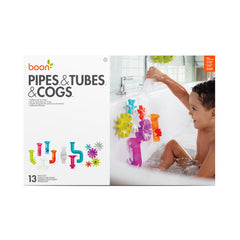
Once babies can sit, two hands are free. They bang, drop, shake and pass things from hand to hand. Stacking cups, soft blocks and simple instruments like shakers and drums are big favourites. Bath time gets more fun too, with cups to pour and toys that float.
9 to 12 months: pulling up and posting
Babies start pulling up on furniture and cruising along it. A sturdy push walker gives them something steady to lean on. Their hands get more precise too, so shape sorters and stacking rings start to make sense, along with activity cubes with doors to open and beads to slide.
A word on safety
Check the age label on every toy. Anything with small parts is a choking hazard for children under three. Keep toys and soft items out of the cot while your baby sleeps, and check teethers and rattles often for wear.
Fewer toys, swapped often
Babies don't need many toys. A small basket of four or five, swapped around every week or so, keeps things interesting without overwhelming them. Looking for a present? Our educator's picks for babies under 1 are a good place to start.