The Toy Superstore Standard
We don't just stock toys; we curate tools. Every item is stress-tested by a practicing Teacher for suitability and developmental ROI. We’ve completed the expert analysis so you can shop with confidence - here is your instant summary of exactly what this tool unlocks.

Understanding Our Icons
Play Personas
🧱
The Builder
Spatial reasoning, engineering & structural planning
📖
The Storyteller
Social role-play, narrative building & emotional processing
🎨
The Artist
Visual expression, fine motor design & sensory creating
🔬
The Scientist
Hypothesis testing, logic & cause-and-effect reasoning
🌍
The Explorer
Whole-body movement, balance & physical discovery
Play Specifications
🤏
Fine Motor
Hand-eye coordination, pincer grip & dexterity
🏃
Gross Motor
Core stability, balance & whole-body coordination
💡
Creativity
Abstract thinking, imagination & divergent problem solving
🗣️
Language
Vocabulary expansion, storytelling & verbal communication
🤝
Social & Emotional
Turn-taking, empathy & cooperative negotiation
🧠
Cognitive
Critical thinking, memory & information processing
🖐️
Sensory
Visual tracking, tactile feedback & auditory stimulation
Noise Profile
🔈
Low Noise
Silent or near-silent; ideal for deep focus work
🔉
Medium
Conversation volume; mechanical clicks or wooden sounds
🔊
Loud
High stimulation; electronic sounds or musical output
Play Context
🏠
Indoor
Suitable for lounge, playroom or classroom environments
🌳
Outdoor
Weather-resistant; built for active or rough play
🧳
Travel
Compact & portable; fits in bags for car or cafe
🛁
Bath
Fully waterproof; designed for sensory water play
🛏️
Bedtime
Low stimulation; supports winding down for sleep
👤
Independent Play
Self-correcting design; allows for solo engagement
👥
Group Play
Encourages collaboration, sharing & multi-child interaction
👨👩👧
Parent Led
Requires adult scaffolding or guided interaction

Why gift givers choose this
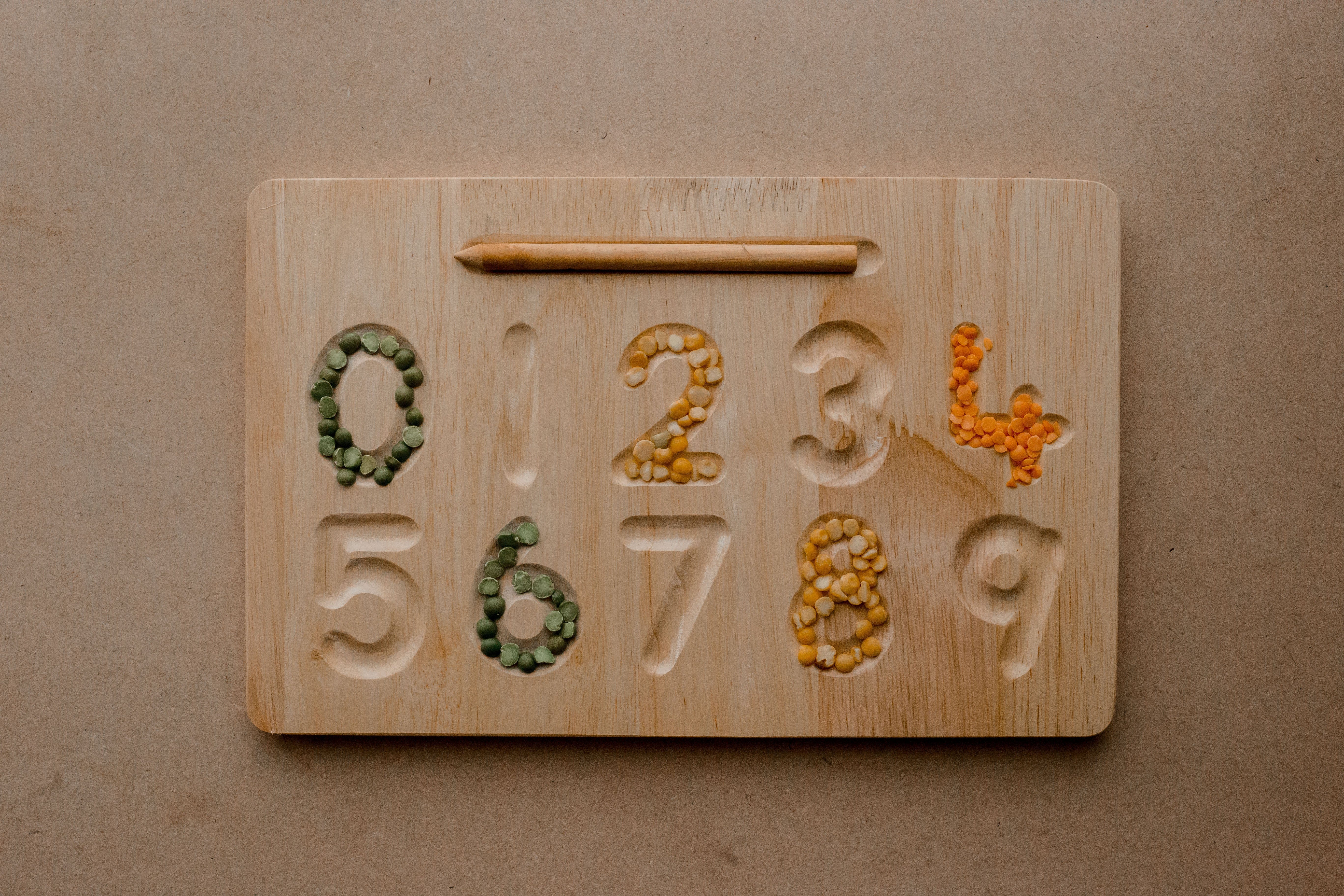
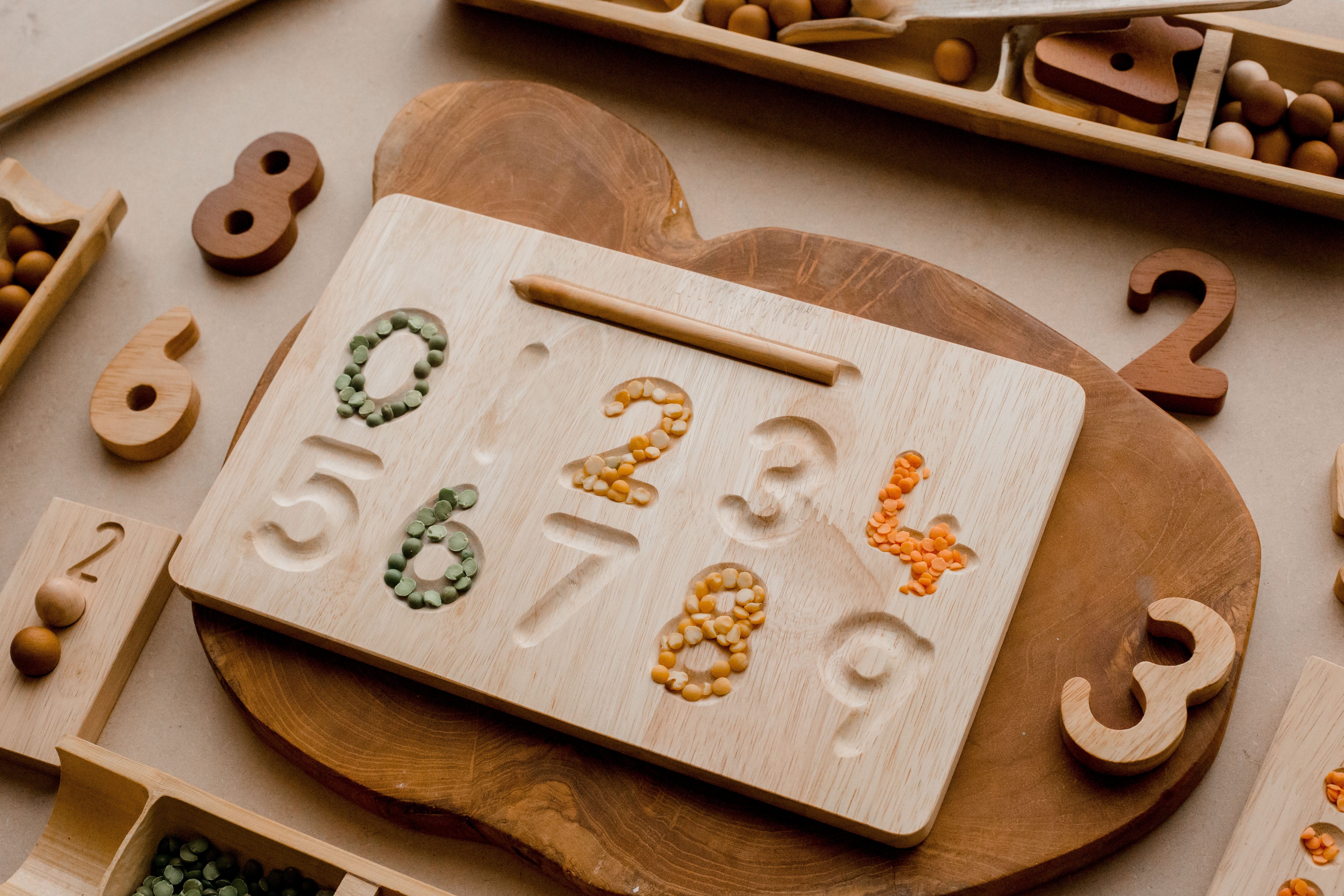
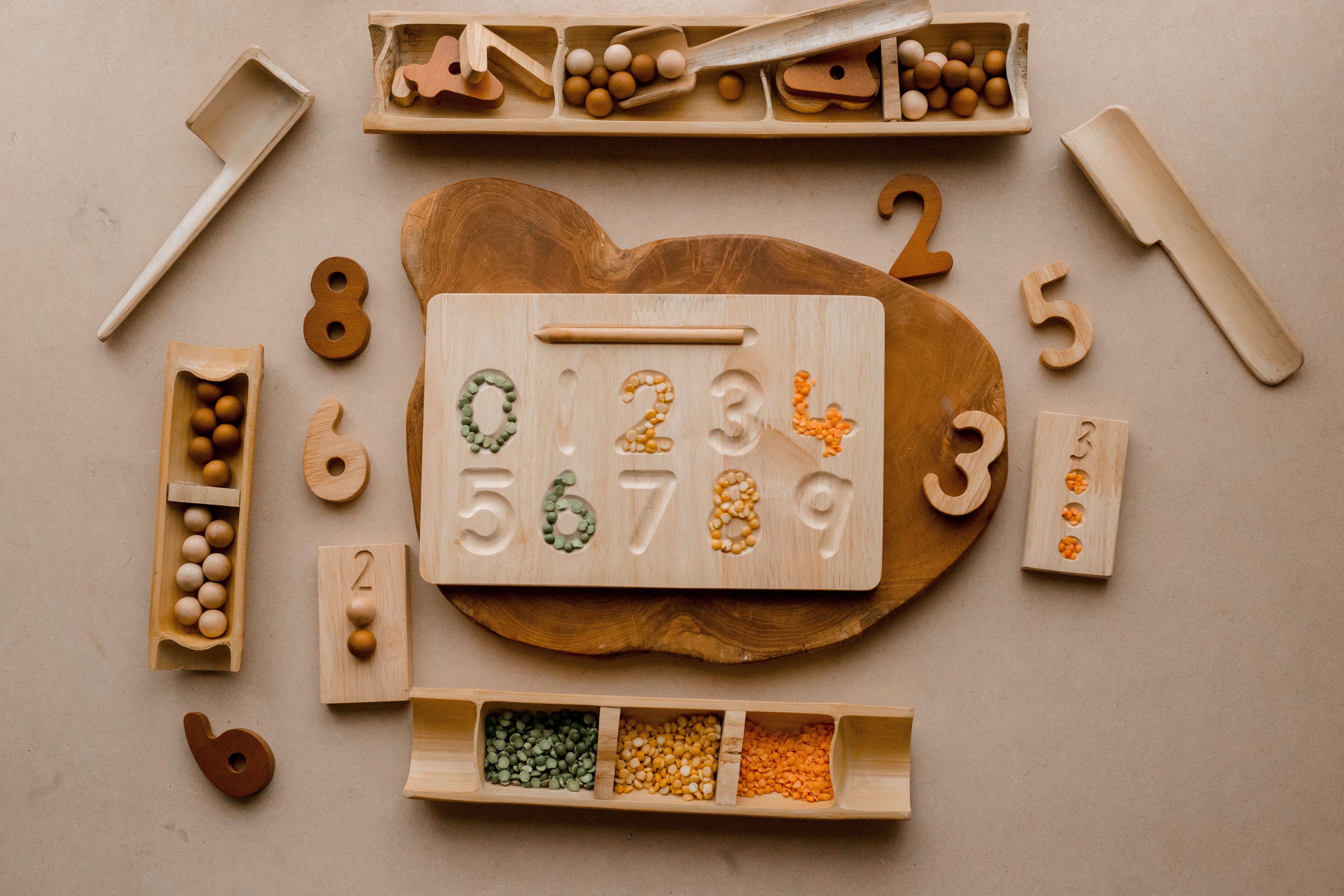
- Frustration Free The grooves prevent the stylus from slipping, guaranteeing success every time.
- Built to Last Solid timber that withstands drops and tantrums, unlike plastic alternatives.
- Calming Focus The repetitive motion of tracing can be incredibly soothing for busy minds.

Included in the box
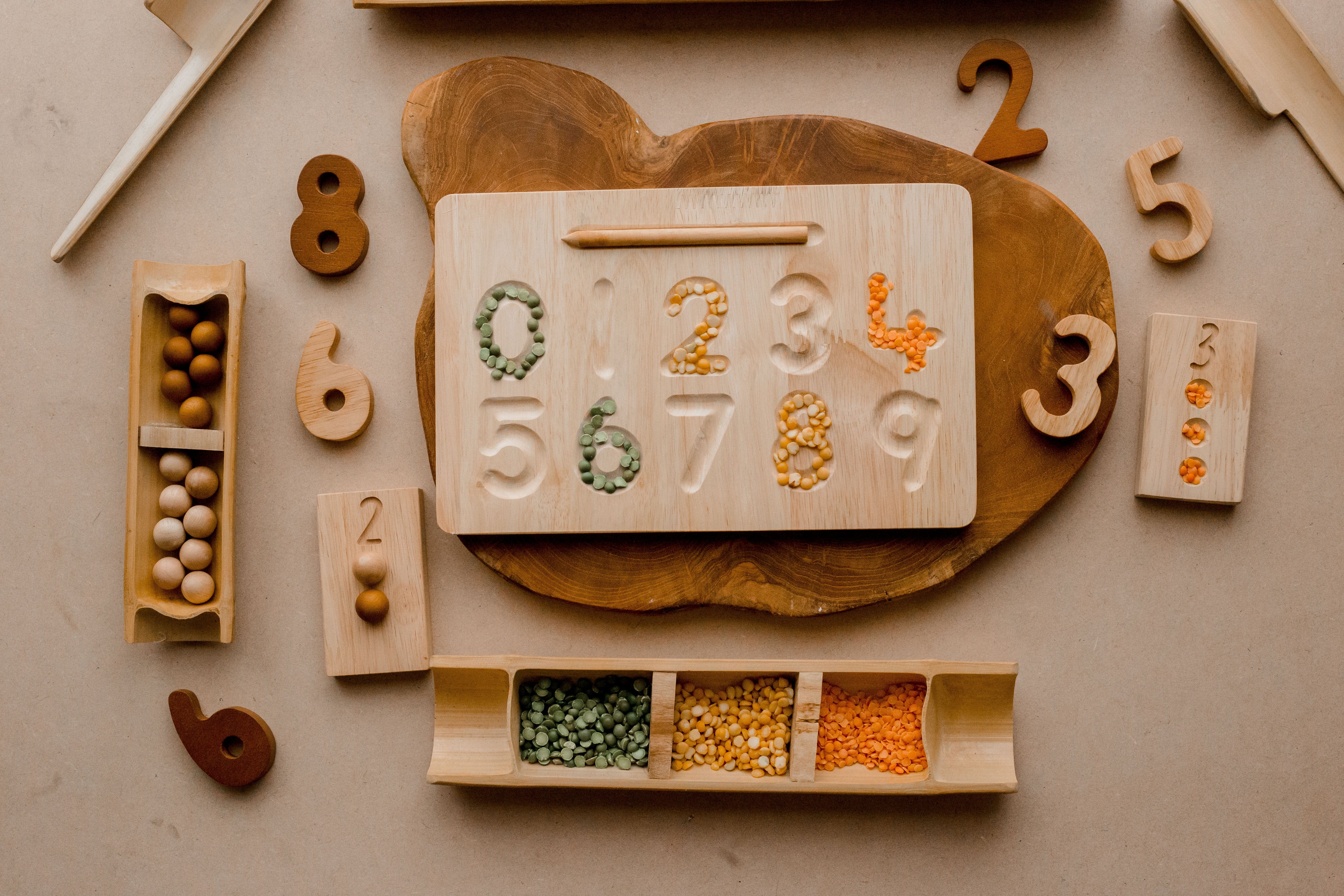
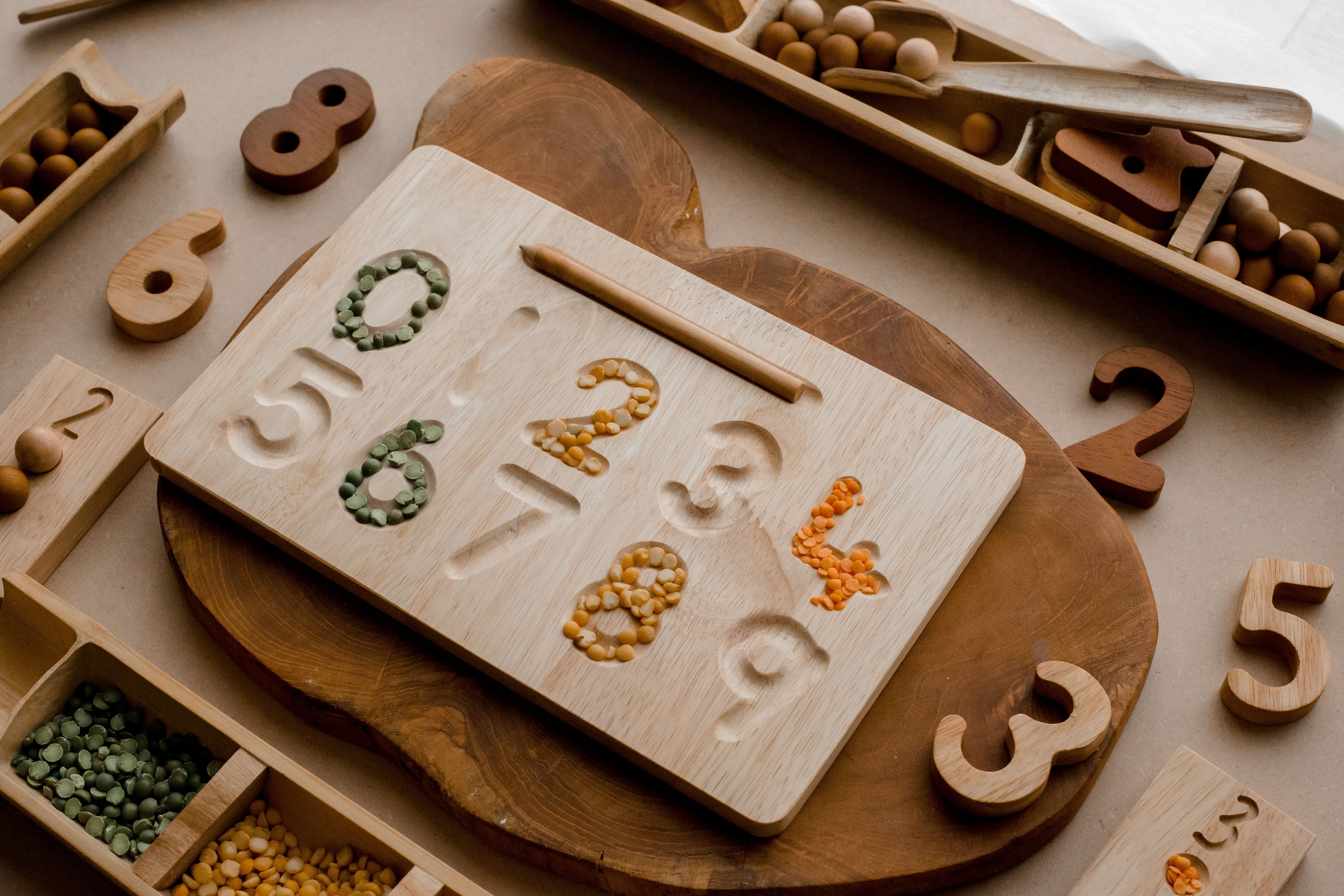
1 x Wooden Number Tracing Board (0-9) and 1 x Wooden Stylus.

Frequently Asked Questions about Number Tracing Board


Still not sure?
Use our gift finder to find the perfect gift
Answer a few quick questions and we'll help you find the perfect gift!